HFT Prop Firms 2026: High-Frequency Trading Proprietary Firms - Complete Guide
High-frequency trading (HFT) and algorithmic trading are often confused, but they're fundamentally different. This comprehensive guide explains the difference between true HFT and algorithmic trading, which prop firms support automated strategies, and what you need to know about using automated trading with prop firms in 2026.
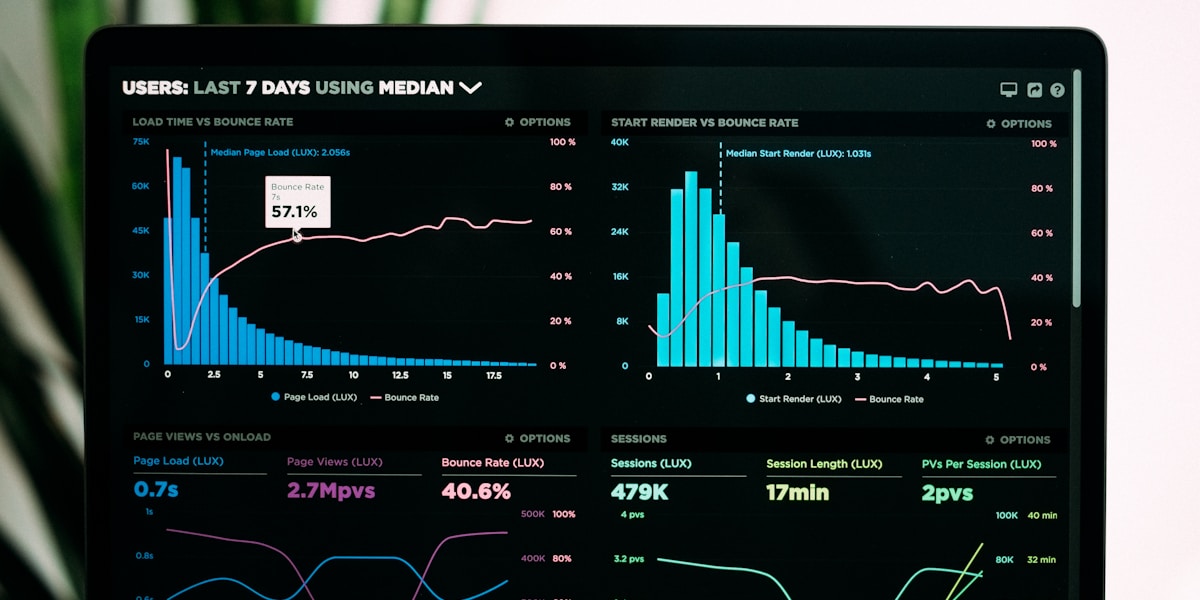
Algorithmic trading with prop firms requires understanding the difference between HFT and automated strategies. Source: Unsplash
⚠️ Important Note: True HFT vs Algorithmic Trading
Most retail prop firms do NOT allow true HFT strategies. High-frequency trading typically requires institutional infrastructure, co-located servers, direct market access, and millisecond execution capabilities that retail prop firms don't provide.
However, most prop firms DO allow algorithmic trading using Expert Advisors (EAs), automated strategies, and programmed trading systems. This guide focuses on algorithmic trading with prop firms, which is what most traders mean when they search for "HFT prop firms."
Understanding HFT vs Algorithmic Trading
True High-Frequency Trading (HFT) involves executing thousands of trades per second using co-located servers, direct market access, and millisecond execution. HFT requires institutional capital, specialized infrastructure, and is typically done by large financial institutions, not retail traders.
Algorithmic Trading uses automated strategies (Expert Advisors, EAs, or programmed systems) that execute trades based on predefined rules. Algorithmic trading can operate on standard retail infrastructure, doesn't require co-location, and is widely supported by prop firms.
When traders search for "HFT prop firms," they're typically looking for prop firms that allow algorithmic/automated trading, not true HFT. This guide focuses on algorithmic trading with prop firms, which is what's actually available to retail traders. Explore algo trading prop firms for more details on algorithmic trading.
Prop Firms for Algorithmic Traders
While true HFT is rare in retail prop trading, many prop firms support algorithmic/EA trading. These firms allow traders to use automated strategies, Expert Advisors, and programmed trading systems. Here are the top prop firms for algorithmic traders:
1. FTMO
FTMO allows Expert Advisors (EAs) and algorithmic strategies on both MT4 and MT5 platforms. Traders can use automated trading systems, but must pass the evaluation using the strategy. FTMO's platform support and transparent rules make it ideal for algorithmic traders.
FTMO's EA policies are clear: automated strategies are allowed as long as they comply with all trading rules including minimum hold times, drawdown limits, and profit targets. The firm offers account sizes from $10,000 to $200,000 with up to 90% profit splits.
FTMO's comprehensive platform support (MT4, MT5, cTrader) provides algorithmic traders with multiple options for deploying automated strategies. The firm's reputation and track record make it a top choice for serious algorithmic traders.
2. The5ers
The5ers permits EA trading with certain restrictions. The firm's unique scaling model works well with algorithmic strategies, allowing traders to grow account sizes as they prove consistent profitability.
The5ers' EA policies require compliance with all trading rules, and automated strategies must pass the evaluation. The firm's flexible approach and scaling model make it attractive for algorithmic traders who want to grow accounts gradually.
3. Apex Trader Funding
Apex Trader Funding is futures-focused with automated trading support. The firm allows algorithmic strategies on futures markets, providing access to professional tools for automated futures trading.
Apex Trader Funding's automated trading support works with platforms like NinjaTrader, which offers advanced automation capabilities. This makes it ideal for algorithmic traders who want to trade futures markets using automated strategies.
4. FundedNext
FundedNext allows automated trading strategies on MT4 and MT5 platforms. The firm's Express evaluation model and flexible rules make it attractive for algorithmic traders who want faster funding paths.
FundedNext's EA policies are clear: automated strategies are allowed as long as they comply with trading rules. The firm offers 15% profit share during challenges, which is unique and beneficial for algorithmic traders.
5. Other Algorithmic Trading Prop Firms
Several other prop firms support algorithmic trading including MyFundedFX, SurgeTrader, E8 Markets, and others. When choosing a prop firm for algorithmic trading, verify EA policies, check platform support, and ensure your strategy complies with all rules.
Always verify the firm's automation policies before deploying strategies. Some firms have restrictions on EA trading, minimum hold times, or other requirements that may affect your algorithmic strategy.
HFT vs Algorithmic Trading: Key Differences
| Feature | True HFT | Algorithmic Trading |
|---|---|---|
| Execution Speed | Milliseconds | Seconds to Minutes |
| Trades Per Second | Thousands | Few to Many |
| Infrastructure | Co-Located Servers | Standard Retail |
| Market Access | Direct Market Access | Broker/Prop Firm |
| Capital Required | Institutional ($Millions) | Retail ($Thousands) |
| Available to Retail | No | Yes |
| Prop Firm Support | No | Yes (Most Firms) |
| Best For | Institutional Traders | Retail Prop Traders |
Requirements for Algorithmic Trading with Prop Firms
1. Verify Firm Allows EAs
Before deploying automated strategies, verify the prop firm allows Expert Advisors (EAs) or automated trading. Most firms do, but some have restrictions or don't support automation. Always check the firm's policies before purchasing an evaluation.
Check the firm's website, terms of service, and trading rules for EA policies. Some firms explicitly state they allow EAs, while others may have restrictions or require approval for certain types of automated strategies.
2. Understand Minimum Hold Time Requirements
Many prop firms have minimum hold time requirements (e.g., trades must be held for at least 1-2 minutes). This prevents certain types of scalping and ensures trades aren't closed too quickly. Your automated strategy must comply with these requirements.
If your EA closes trades too quickly, it may violate minimum hold time rules and result in evaluation failure. Ensure your automated strategy includes hold time logic that complies with the firm's requirements.
3. Check Trade Frequency Restrictions
Some prop firms have restrictions on trade frequency, limiting how many trades you can take per day or per hour. These restrictions prevent overtrading and ensure traders aren't using strategies that take too many trades.
If your automated strategy takes many trades, ensure it complies with any trade frequency restrictions. Some firms allow unlimited trades, while others have limits that may affect high-frequency algorithmic strategies.
4. Ensure Strategy Complies with Trading Rules
Your automated strategy must comply with all trading rules including profit targets, drawdown limits, minimum trading days, consistency rules (if any), and any other restrictions. Violating rules, even accidentally, can result in evaluation failure.
Program your EA to monitor and comply with all rules. This includes tracking drawdown, ensuring trades meet minimum hold times, staying within daily loss limits, and meeting any other requirements specific to the firm.
5. Test Strategy Thoroughly
Before using your automated strategy in an evaluation, test it thoroughly using backtesting, forward testing, and demo accounts. This helps identify potential issues, ensures the strategy is viable, and verifies it complies with all rules.
Use the platform's backtesting capabilities (MT4 Strategy Tester, MT5 Strategy Tester, etc.) to test your strategy on historical data. Then forward test on demo accounts to ensure it works in live market conditions before risking evaluation fees.
Types of Algorithmic Strategies for Prop Trading
Trend Following EAs
Automated strategies that identify and follow market trends, entering trades when trends are established and exiting when trends reverse. These strategies work well in trending markets and can be effective for prop trading.
Trend following EAs typically use moving averages, trend indicators, or price action patterns to identify trends. They enter trades in the direction of the trend and exit when the trend reverses or reaches profit targets.
Mean Reversion EAs
Strategies that trade on the assumption that prices will revert to their mean or average. These EAs enter trades when prices deviate significantly from the mean and exit when prices return to normal levels.
Mean reversion EAs work well in ranging markets but can struggle in strong trends. They require careful risk management as prices can continue deviating from the mean before reverting.
Scalping EAs
High-frequency strategies that enter and exit trades quickly, profiting from small price movements. These EAs take many trades per day, aiming for small profits on each trade.
Scalping EAs must comply with minimum hold time requirements and trade frequency restrictions. They work best with low spreads and fast execution, making them suitable for certain prop firms with favorable trading conditions.
Grid Trading EAs
Strategies that place multiple orders at different price levels, profiting from market volatility. Grid EAs create a grid of buy and sell orders, capturing profits as prices move within the grid.
Grid trading EAs can be risky as they can violate drawdown limits during adverse moves. They require careful risk management and may not be suitable for all prop firms or market conditions.
News Trading EAs
Strategies that trade around economic news releases, profiting from volatility and price movements caused by news events. These EAs monitor economic calendars and enter trades based on news releases.
News trading EAs must verify the prop firm allows news trading, as some firms restrict trading around major news events. They require fast execution and careful risk management due to high volatility during news releases.
Multi-Currency EAs
Strategies that trade multiple currency pairs simultaneously, diversifying risk across different markets. These EAs can trade correlated or uncorrelated pairs, spreading risk and increasing opportunities.
Multi-currency EAs require careful position sizing and risk management to ensure they don't violate drawdown limits. They can be effective for prop trading as they diversify risk across multiple markets.
Why True HFT Isn't Available with Retail Prop Firms
True high-frequency trading (HFT) requires infrastructure and capabilities that retail prop firms don't provide:
- Co-Located Servers: HFT requires servers physically located at exchange data centers to minimize latency. Retail prop firms use standard broker infrastructure, which has much higher latency.
- Direct Market Access: HFT requires direct connections to exchanges, bypassing brokers. Retail prop firms route orders through brokers, adding latency and complexity.
- Millisecond Execution: HFT requires execution speeds measured in milliseconds or microseconds. Retail infrastructure has execution speeds measured in seconds, making true HFT impossible.
- Institutional Capital: HFT requires millions or billions in capital to be profitable. Retail prop firms offer thousands to hundreds of thousands, which isn't sufficient for true HFT.
- Specialized Infrastructure: HFT requires specialized hardware, software, and network infrastructure that costs millions. Retail prop firms use standard infrastructure accessible to all traders.
However, algorithmic trading using EAs is widely available with retail prop firms. While not true HFT, algorithmic trading provides automation, consistency, and the ability to trade 24/7, which are valuable benefits for prop traders.
Best Practices for Algorithmic Trading with Prop Firms
1. Start with Proven Strategies
Don't deploy untested or experimental strategies in evaluations. Start with proven EAs that have a track record of profitability. Test thoroughly before risking evaluation fees, and only use strategies you understand and trust.
2. Monitor Closely
Even automated strategies require monitoring. Check your EA regularly to ensure it's functioning correctly, complying with rules, and performing as expected. Automated doesn't mean "set and forget"—active monitoring is essential.
3. Implement Risk Management
Ensure your EA includes proper risk management including stop losses, position sizing, drawdown protection, and maximum daily loss limits. Automated strategies must manage risk effectively to pass evaluations and protect funded accounts.
4. Test in Different Market Conditions
Test your strategy in various market conditions including trending markets, ranging markets, high volatility, and low volatility. A strategy that works in one condition may fail in another, so comprehensive testing is essential.
5. Understand Your Strategy
Don't use EAs you don't understand. Know how your strategy works, what market conditions it's designed for, and what its limitations are. Understanding your strategy helps you make informed decisions and troubleshoot issues.
Frequently Asked Questions
Can I do true HFT with prop firms?
No, true HFT is not possible with retail prop firms. High-frequency trading requires institutional infrastructure, co-located servers, direct market access, and millisecond execution capabilities that retail prop firms don't provide. However, algorithmic trading using EAs is widely supported by prop firms.
What's the difference between HFT and algorithmic trading?
True HFT involves millisecond execution, co-located servers, and requires institutional capital and infrastructure. Algorithmic trading uses automated strategies (EAs) that can execute trades based on programmed rules but typically operates on standard retail infrastructure. Most prop firms allow algorithmic trading but not true HFT.
Which prop firms allow automated trading?
Most major prop firms allow automated trading including FTMO, The5ers, Apex Trader Funding, FundedNext, and many others. However, you must verify the firm allows EAs, ensure your strategy complies with all trading rules, and pass the evaluation using the automated strategy.
What are the requirements for algorithmic trading with prop firms?
Requirements include: checking if the firm allows Expert Advisors (EAs), verifying minimum hold time requirements, understanding any restrictions on trade frequency, ensuring your strategy complies with trading rules, and thoroughly testing your strategy before using it in evaluations.
Can I use scalping EAs with prop firms?
Some prop firms allow scalping EAs, but you must ensure they comply with minimum hold time requirements and trade frequency restrictions. Scalping EAs that close trades too quickly may violate rules, so verify the firm's policies before deploying scalping strategies.
Do I need to monitor automated strategies?
Yes, even automated strategies require monitoring. Check your EA regularly to ensure it's functioning correctly, complying with rules, and performing as expected. Automated doesn't mean "set and forget"—active monitoring helps identify issues early and ensures compliance with all rules.
Related Resources
Algo Trading Prop Firms
Algorithmic trading prop firms
Scalping Prop Firms
High-frequency scalping prop firms
Day Trading Prop Firms
Active day trading prop firms
MT4 Prop Firms
MT4 platform prop firms with EA support
All Prop Firms
Complete directory of prop firms
Compare Prop Firms
Compare all prop firms side-by-side