Can You Trade Crypto with Prop Firms 2026: Crypto Prop Trading Guide
Discover if you can trade crypto with prop firms in 2026. This comprehensive guide covers crypto prop firms including Bitcoin trading, cryptocurrency availability, crypto futures, regulations, risks, and best crypto prop trading options for traders.
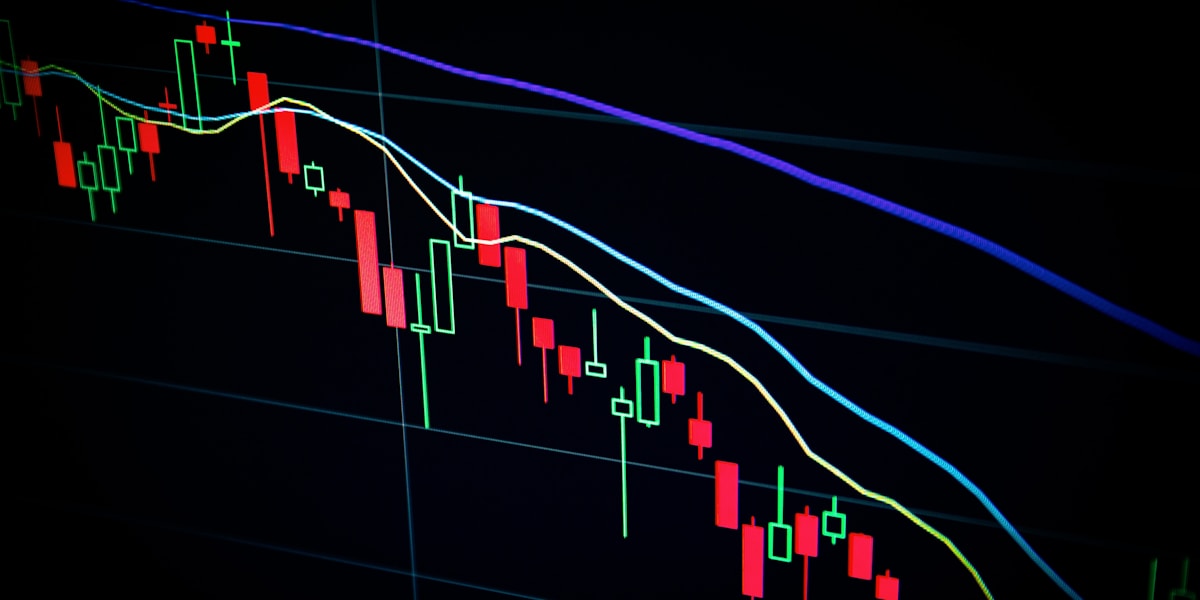
Crypto trading through prop firms. Source: Unsplash
Crypto Trading with Prop Firms
Yes, some prop firms allow crypto trading, though availability is less common than forex or futures. Crypto prop firms may offer: Bitcoin (BTC) trading, Ethereum (ETH) trading, other cryptocurrencies, crypto CFDs, or crypto futures. Availability varies significantly by firm and region due to regulatory considerations.
Important: Crypto trading through prop firms is less common than forex or futures trading. Many prop firms focus on traditional markets. Always verify crypto trading availability with individual firms, as regulations and availability vary significantly by region and firm.
Crypto availability: varies by firm, less common than forex/futures, and regional differences. Learn more about prop firms bitcoin and legit crypto prop firms.
Types of Crypto Trading in Prop Firms
Bitcoin Trading
Some prop firms offer Bitcoin (BTC) trading, allowing traders to trade Bitcoin price movements. Bitcoin is the most common cryptocurrency available in prop firms, though availability varies. Bitcoin trading may be offered as spot trading, CFDs, or futures.
Bitcoin trading: most common crypto, varying availability, and different formats. Bitcoin is primary crypto option.
Ethereum and Altcoins
Some prop firms may offer Ethereum (ETH) or other altcoins, though availability is more limited than Bitcoin. Altcoin availability varies significantly by firm, with major cryptocurrencies (ETH, BNB, etc.) being more common than smaller altcoins.
Altcoin trading: limited availability, major coins more common, and firm-specific. Altcoins have limited availability.
Crypto CFDs
Some prop firms offer crypto CFDs (Contracts for Difference on cryptocurrencies), allowing traders to trade crypto price movements without owning coins. Crypto CFDs provide leverage and flexibility, though availability varies by firm and region.
Crypto CFDs: leveraged trading, price movements, and varying availability. Crypto CFDs provide flexible exposure.
Crypto Futures
Some prop firms may offer crypto futures trading, providing exposure to cryptocurrency markets through regulated futures contracts. Crypto futures are less common than spot crypto or CFDs, with availability varying by firm and region.
Crypto futures: regulated contracts, less common, and varying availability. Crypto futures provide regulated exposure.
Availability of Crypto Prop Firms
Limited Availability
Crypto trading through prop firms has limited availability compared to forex or futures. Many prop firms focus on traditional markets (forex, futures, stocks), with fewer options for crypto trading. Limited availability means fewer choices and potentially different terms.
Availability factor: limited options, fewer firms, and different terms. Crypto has limited availability in prop firms.
Regional Differences
Crypto prop firm availability varies significantly by region due to regulatory differences. Some regions have more crypto-friendly regulations, while others restrict crypto trading. Regional differences affect which firms offer crypto and what cryptocurrencies are available.
Regional factor: regulatory differences, varying restrictions, and regional availability. Regional differences affect crypto access.
Firm-Specific Policies
Crypto trading policies vary significantly by firm, with some firms offering comprehensive crypto access while others restrict or prohibit crypto trading. Firm-specific policies affect availability, allowed cryptocurrencies, trading rules, and terms.
Policy factor: firm-specific rules, varying restrictions, and different terms. Policies affect crypto availability.
Considerations for Crypto Trading
Market Volatility
Crypto markets are highly volatile, with extreme price movements that can result in significant gains or losses. Crypto volatility requires careful risk management and understanding of market characteristics. Volatility is both opportunity and risk.
Volatility factor: extreme movements, significant risks, and careful management. Volatility requires risk management.
Regulatory Uncertainty
Crypto regulations are evolving and vary by region, creating uncertainty for crypto prop firms and traders. Regulatory changes can affect crypto availability, trading rules, and firm operations. Understand regulatory environment in your region.
Regulatory factor: evolving rules, regional differences, and uncertainty. Regulations affect crypto trading.
Firm Reliability
Verify crypto prop firm reliability through payout track records, trader reviews, and firm reputation. Crypto prop firms may have different risk profiles than traditional prop firms. Always verify legitimacy and reliability before committing.
Reliability factor: verify track records, check reviews, and confirm reputation. Reliability is essential.
Market Understanding
Understand crypto market characteristics including 24/7 trading, high volatility, market sentiment, and technical analysis. Crypto markets differ from traditional markets, requiring specific knowledge and experience. Ensure you understand crypto markets before trading.
Market factor: 24/7 trading, high volatility, and specific knowledge. Market understanding is critical.
Risks of Crypto Prop Trading
Extreme Volatility
Crypto markets experience extreme volatility with rapid price movements that can result in significant losses. Volatility can exceed traditional markets, requiring careful position sizing and risk management. Extreme volatility is a major risk factor.
Volatility risk: extreme movements, rapid changes, and significant losses. Extreme volatility requires careful management.
Regulatory Changes
Crypto regulations are evolving, with potential changes that could affect crypto prop firm operations, availability, or terms. Regulatory changes can impact trading access, rules, or firm viability. Regulatory uncertainty is a risk factor.
Regulatory risk: evolving rules, potential changes, and uncertainty. Regulatory changes can affect operations.
Limited Firm Options
Fewer crypto prop firms exist compared to forex or futures firms, limiting options and potentially affecting terms, competition, or reliability. Limited options may mean fewer choices, different terms, or reduced competition.
Options risk: fewer firms, limited choices, and different terms. Limited options affect availability.
Market Risks
Crypto markets have unique risks including market manipulation, exchange issues, security concerns, and market sentiment. Crypto market risks differ from traditional markets, requiring specific risk management approaches.
Market risks: manipulation, exchange issues, security, and sentiment. Market risks require specific management.
Frequently Asked Questions
Can you trade crypto with prop firms?
Yes, some prop firms allow crypto trading, though availability is less common than forex or futures. Crypto prop firms may offer: Bitcoin (BTC) trading, Ethereum (ETH) trading, other cryptocurrencies, crypto CFDs, or crypto futures. Availability varies significantly by firm and region due to regulatory considerations.
What cryptocurrencies can I trade with prop firms?
Prop firms offering crypto trading may allow: Bitcoin (BTC), Ethereum (ETH), other major cryptocurrencies, crypto CFDs, or crypto futures. Available cryptocurrencies vary by firm, with Bitcoin and Ethereum being most common. Always verify available cryptocurrencies with individual firms.
What are the risks of trading crypto with prop firms?
Risks include: crypto market volatility (extreme price movements), regulatory uncertainty (changing crypto regulations), limited availability (fewer crypto prop firms), firm reliability (verify legitimacy), and market risks (crypto market characteristics). Understand all risks before trading crypto with prop firms.